



More and more in our residential design-build work, we’re reusing existing foundations. Even some of our projects that look like brand new homes have actually reused the existing concrete of a previous home on the site. There are a lot of important reasons for doing so, here are ten:
1. There are fewer blank lots available. Homeowners are more frequently purchasing lots based on location –even if there’s a home that they don’t want to live in on the lot.
2. Professionals have strategies. A good architect should be able to figure out clever methods to retain an existing foundation that accommodate the program of a new house.
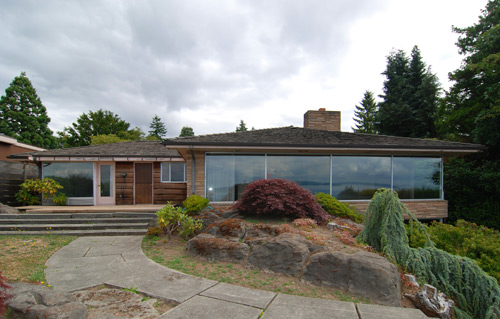
3. It’s cost effective. Keeping the foundation saves more than just the cost of the concrete. It eliminates expensive phases like earthwork and items like exporting soil.
4. It saves time. There are usually still items to modify with the existing topography and foundation, but two major phases of a residential project are more or less removed from the schedule saving weeks or even months.

5. It’s more sustainable. The carbon footprint of moving earth and concrete around town is substantial. Not to mention the physical space that a demolished foundation takes up at the landfill.
6. It expedites permit reviews. Because the extent of work is reduced, often times, the permit scope will also diminish. Depending on the jurisdiction, the permit may even be considered a “remodel” rather than new construction.
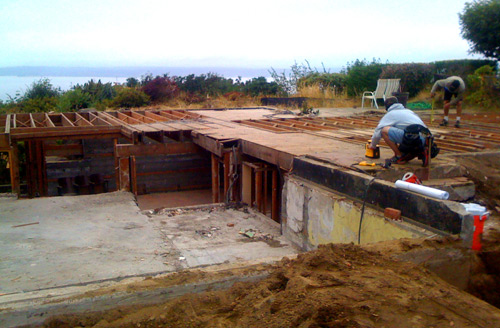
7. There’s less bureaucracy. For properties classified as steep slope, critical areas, or slide zones avoiding earthwork can save a significant amount scrutiny from the building department. Less scrutiny directly translates into less paperwork, shorter permit review times and smaller permit fees.
8. It treads lightly on the land. Because of the diminished earthwork and site work, more of the existing environment can be left intact.
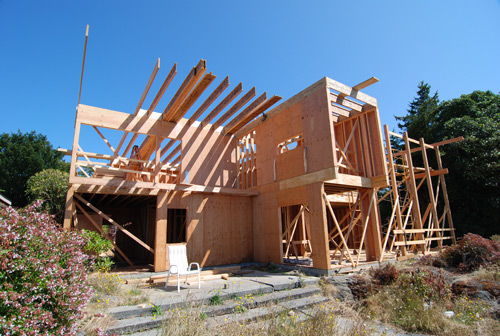
9. It lends discipline to the design. An existing foundation gives the homeowners and the architect a defined envelope to design within. The constraints encourage better problem solving; the designs tend to incorporate smarter solutions rather than sprawling floor plans to accommodate the new program.
10. Your neighbors will thank you. It keeps the site tidier, limits muddy tire tracks in the neighborhood and reduces noise on site.
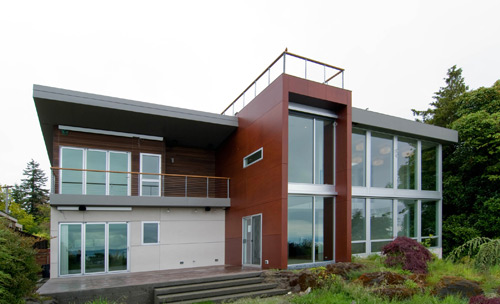
Stay tuned for part 2 of the series which dives into our top 10 tips to assess an existing foundation.