



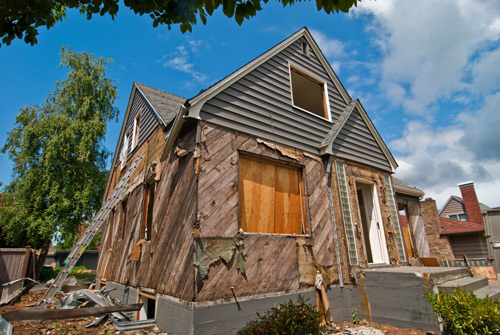
[All photos by BUILD LLC]
Demolition may very well be the most exciting and speedy phase of construction. For a complete demotion, a home can come down and be entirely removed from the site in a day or two; for a thorough remodel (where large portions of the structure are maintained) the entire demo process can be completed within a week. But while demolition is typically fast and messy, it’s not necessarily mindless and uncomplicated. There’s actually quite a bit to know about demo; beginning demolition without a clear strategy can have significant time and financial repercussions later.
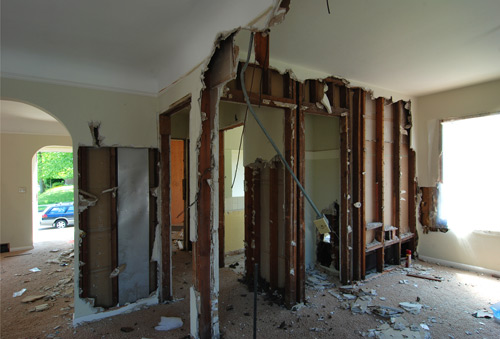
We just completed the demolition on a current project of ours and it’s a good time to share some knowledge and site photos. This is just one situation with its own set of circumstances and the variables change with each project. With that said, here is our top ten list of demo basics:
1. Don’t try and do it yourself. While it may seem straight-forward and cost-effective to perform the demo yourself, it’s actually a bit like surgery. An experienced crew knows what to keep and what to tear-out. The ideal situation is to have the framing crew take on the demo; the framers will know best what to retain and the accountability chain is direct.
2. Take a bottle of wine to your neighbors before demo begins and make nice. There will be a bit of noise and some mess; you’ll need the understanding and patience of your neighbors.
3. Play by the rules and get your permits. Demolition is obvious; the neighbors will notice the 20 yard dumpster sitting in your driveway and the building inspector knows what it means when there’s a Honey Bucket sitting in the side yard.
4. Asbestos procedures are a big deal. Nothing will shut down a project quicker than an asbestos violation, so it’s worth doing your homework. Here in the Pacific Northwest, the Puget Sound Clean Air Agency is a great resource and their website includes everything you need to know about inspections, removal and applicable agencies. There’s a couple of key items worth highlighting for single family residences as they can save time and money on a project; if asbestos is identified it can be left in place and encapsulated to avoid the costly inspections and removal procedures; also, a homeowner who occupies the house can remove the asbestos themselves if they feel comfortable doing so. There are procedures for each and the requirements vary from one jurisdiction to the next, so review this for the details.
5. Don’t try and live in your house during demo. There’s going to be a layer of dust no matter what. If you’re the type who’s sensitive to a bit of filth, it’s a great time for that trip to the tropics.
6. You’ll demo twice what you thought you would. Once the house is opened up a bit, it will look as though a bunch of drunken sailors originally put it together. It typically makes sense to remove more than originally planned.
7. Strip all the walls and unbury all the skeletons. For most significant remodels we recommend taking the walls down to the studs. There always seems to be ridiculous stuff hidden in the wall cavities from that weekend warrior remodel a decade ago. Demo is the time to catch that dubious electrical connection and the fact that there’s no insulation in the wall.
8. Listen to the guy on site who says “consider these things…” He’s speaking from experience and he knows what he’s talking about.
9. You’ll spend a decent chunk of the budget’s contingency on demo. A typical project of ours has a 10% budget contingency. This contingency is used for all the surprises that pop up during construction, a price hike in plywood or whatever it is that could come out of left field during the process. Because there are so many unknowns and variables in the demolition phase, an unproportional amount of the contingency is inevitably consumed. Once demo is completed the variables level out and it gets better.
10. You’d be surprised how many items and materials can be reused or recycled from the demolition of a home. Here in Seattle, the RE-store takes items like appliances, windows and cabinets if they’re in decent shape. These offer tax deductions that can add up over the course of a project. Check a relevant post on A House By The Park for more information on this topic.
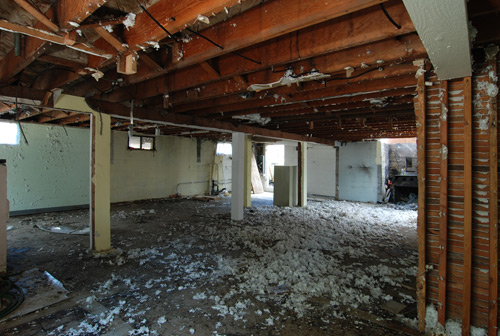
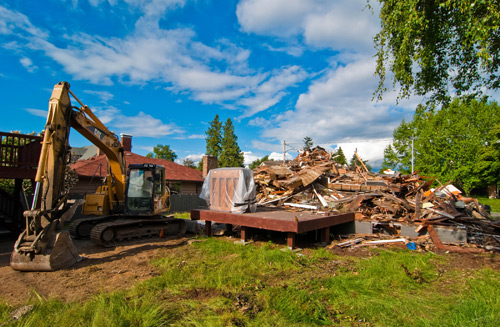
Let us know what’s on your demo list.
Cheers from team BUILD