



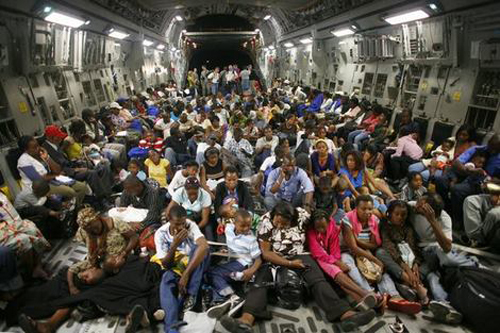
[Photo by Joshua Trujillo]
It is currently estimated that there are between 1.5 and 2 million people in Haiti without homes since the 7.0 magnitude earthquake on Jan 12th. Subsequently the design, transport, distribution, functionality, and durability of emergency shelter is one of designs most critical tests. The most primal and basic functions of architecture are being put to task and we (humanity) are in a position where the solutions need to be practical and immediate. In other words, it needs to be well designed. Lately we’ve been scouring the web on information about the situation in Haiti and solutions on emergency shelter. Now that we’ve compiled our homework, today’s post will cover what we believe to be a very good shelter solution. We’re going to get you engaged with the idea of emergency shelter and, should you choose to accept this mission, we’ve filtered our research down to one very effective organization.
FIVE KEY CONCEPTS:
1. Most difficult to obtain in Haiti are family sized tents, the latest estimate is that 100,000 family size tents are still needed.
2. Tent cities need to be set up with the foresight that they may become permanent for a disaster as lasting as the effects from the January 12th earthquake and resulting aftershocks.
3. If the tents can’t be distributed in an organized method, they don’t get distributed.
4. There are approximately 450 ad-hoc camps throughout Port-au-Prince at the moment.
5. The elements in Haiti involve burning tropical sun, spring rains and summer hurricanes.
Given that the situation in Haiti is just as much about human psychology and social organization as protection from the elements we’ve compiled a brief list of objectives. A good emergency shelter solution should be able to hit all of them:
Protection, Safety, Privacy, Utility, Dignity, Family unity and maybe even Community.
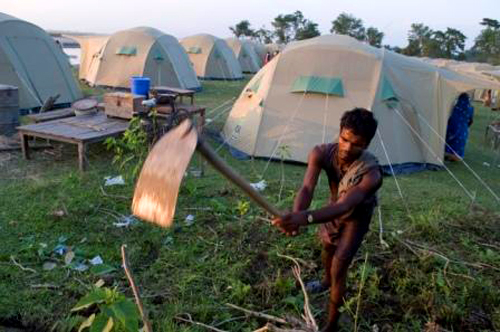
Of all the solutions we’ve researched so far, Shelterbox has impressed us the most. For those of you not familiar, the concept is this:
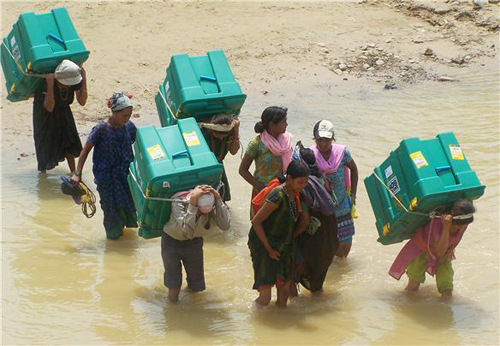
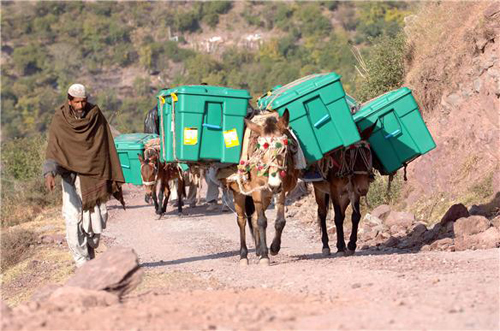
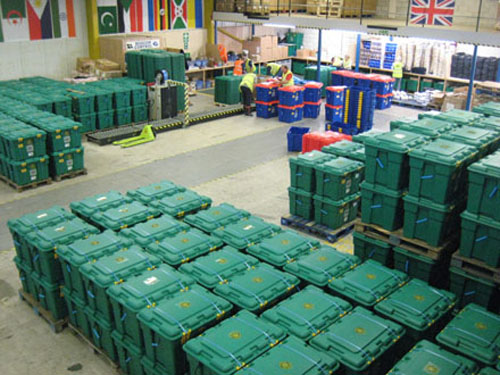
A waterproof re-usable box containing a well designed tent and household necessities. The contents of the box can be changed according to the disaster and the boxes are stackable and straight-forward to transport. Once on the ground the boxes can be carried by one or two people or doubled up on a horse/donkey for transportation to the site.
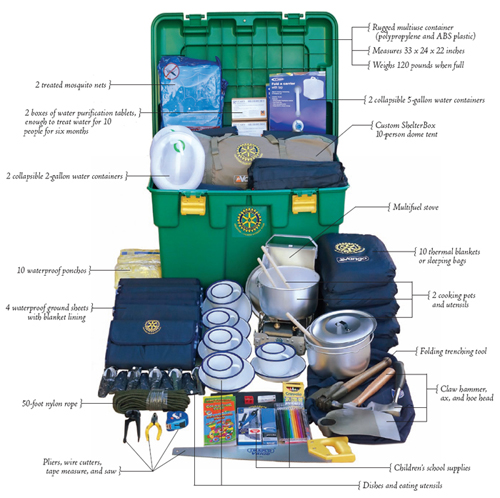
SPECS:
Each box is 33″ long x 24″ wide x 24″ deep with a capacity of 49 gallons . Fully packed, a box generally weighs around 110 lbs
Each box contains the following:
1. A ten-person tent designed to withstand extreme temperatures, high winds and heavy rainfall. Internally, each tent has privacy partitions that allow recipients to divide the space as they see fit.
2. Thermal blankets and insulated ground sheets
3. Waterproof ponchos and bin bags
4. A multi-fuel stove that can burn anything from diesel to old paint
5. Cooking pans, utensils, bowls and mugs
6. Collapsible water containers and water purification tablets
7. A basic tool kit – hammer, axe, saw, pliers, hoe head, trenching shovel, rope etc
8. A small, children’s pack containing drawing books, crayons, pens etc.
From their website: “Every item is durable, practical and brand new. The box itself is lightweight and waterproof and has been used for a variety of purposes in the past – from water and food storage containers to a cot for a newly born baby.”
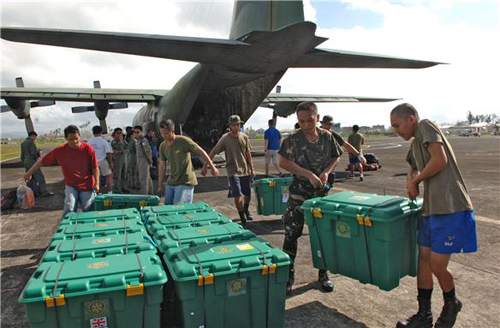
We like that it’s a basic camping kit that could be practical and functional for months. We also like the simplicity and durability of the container itself. Shelterbox knows the key to implementing the solution is in good communication, they’re website is nicely organized and offers much, much more information.
COSTS:
By the time the boxes get to the people who need them, they cost $1,000 each. ShelterBox USA allocates 85% to boxes, contents, and deployment costs; 15% is retained for administrative and operating expenses.
CONTRIBUTING:
So why is team BUILD promoting shelter box? Because over the years we’ve seen countless attempts, both academic and professional, to design emergency shelter for just such disasters as the Haiti earthquake. We have found the majority to be theoretical exercises in design with very little utility or practicality. We applaud Shelterbox for getting in the trenches and following through with the entire design process to find real solutions and implement them. In our opinion, this is the greatest call to action of design; good design that provides real-world solutions has our full attention and our financial support. We’ve made our donation to Shelterbox and we’re asking you to consider the same. You can donate here.
And by all means, share your resources and what you know about emergency shelter.
Thank you,
-TeamBUILD