
In Defense of Preservation

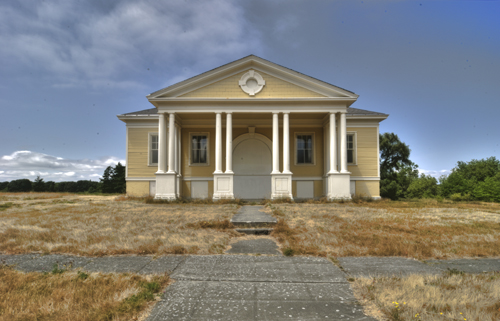
Discovery Park Housing 02 photo by BUILD LLC
[Post Exchange and Gymnasium building, 1905. Photo by BUILD LLC]

Because we practice an architecture using materials and methods of the current time (a.k.a. modern) people often assume that we don’t care for older, more traditional forms of architecture.  It’s actually quite the opposite.

Throughout our travels and our experiences we continue to find that the most successful societies take good care of their architecture, regardless of when it was built.  In fact we’ve found that the more a society respects and maintains it’s traditional architecture, the more ambitious and forward-thinking they are with new architecture.  Something we noticed during our studies in Denmark was how well the Danes preserved buildings from the 17th and 18th centuries.  At the same time, when they build new they design with an unrestrained modern philosophy.  When it comes to modern design, the Danes put it in 6th gear, they open it up, they punch it, the Danes go to eleven.

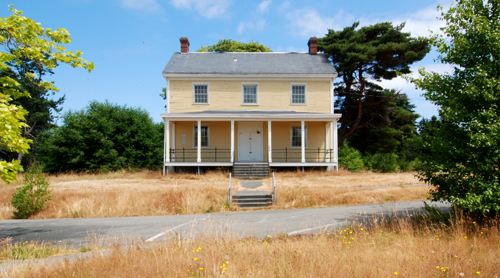
Discovery Park Housing 01 photo by BUILD LLC
[Administration building, 1902. Photo by BUILD LLC]

It’s uncommon to take such good care of traditional architecture here in the northwest, which is odd because we have so little of it to begin with.  All too often we’ve seen traditional architecture adulterated by fashion and design trends.  A clear example of this is King Street Station completed in 1906 in a style heavily influenced by classic Italian architecture.  When modernism came to prominence in the 50′s and 60′s the ornament was removed and the decorative ceilings were concealed with acoustical drop-panel ceilings. The updates seemed to be the device of embarrassment and suppression of the original design.  In the 1990’s classical architecture was, once again, sought after and an expensive restoration package was initiated to add the ornament back and remove the acoustic ceiling among other things.  All the while the Danes just maintained their train station the way it was originally designed.
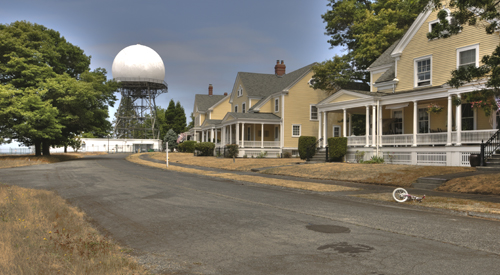
Discovery Park Housing 04 photo by BUILD LLC
[Officers Quarters, 1899-1904 and FAA radar building in background, 1959. Photo by BUILD LLC]

Preserving traditional architecture is important and in light of this theme we’re focusing on some handsome, well preserved architecture today.  Recently we spent an afternoon in the Magnolia neighborhood of Seattle and re-familiarized ourselves with the military housing that remains from the park’s previous life as Fort Lawton.   Most of the original colonial revival structures remain on the site.  Some of the officers housing is still being lived in, other structures are no longer in use but all of the structures have been so well preserved it feels like stepping into a time capsule.  There are no silly attempts to try and make these structures seem contemporary, no awkward remodels or clumsy appendages.  Just unashamed, well maintained architecture.
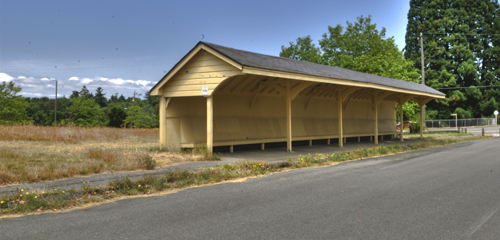
Discovery Park Housing 03 photo by BUILD LLC
[Bus Stop, 1949. Photo by BUILD LLC]

Taking this much care with the remainder of the city would, in our opinion, benefit all architecture and improve the built environment in general.  Such a deliberate move would require us to replace fashion with rational and sensibility.  How modern.

More information about these buildings can be found here.

9 Comments

  • By Keiser, July 20, 2009 @ 3:09 pm

    The experience of a city is always richer when layers of old and new coexist together.

  • By Anonymous, July 21, 2009 @ 1:18 pm

    The image of the officers housing with the big-brother-like looming radar tower in the background is haunting.

  • By Knudsen, July 21, 2009 @ 2:22 pm

    The Danes take good care of everything – not just architecture. You should see the their bikes.

  • By Samuel, July 21, 2009 @ 2:47 pm

    I’ve always enjoyed these buildings when walking Discovery Park. I once got caught in a rainstorm and took cover up there- really came to appreciate the majesty (due to someone’s diligent care) of the collection.

  • By Joshua Daniel Franklin, July 21, 2009 @ 9:41 pm

    Speaking of preservation, MOHAI has a new exhibit The Arts and Crafts Movement in the Pacific Northwest and the blurb mentions influences such as “remarkable setting, climate, local raw materials, crafts of native inhabitants, and exposure
    to Pacific Rim cultures.” You might wander the neighborhood and get some pictures before they expand SR-520. (Another nice walk is around 20th Ave NE south of Third Place Ravenna, where they do the Craftsman Bungalow walking tour.)

  • By andrew, July 22, 2009 @ 8:00 am

    It would be really fun to do a post discussing what ‘traditional’ vs ‘modern’ architecture means.

    Not to nail it down, but because it makes for a good discussion–taking our conception of modernism past ‘clean lines’ and minimal ornament.

    Perhaps, another cool post (the follow up to this one maybe?) could be about how ongoing historic preservation really is among the greenest type of architecture considering embodied energy, resource use, etc. as well as all of the wonderful passive strategies that green building of today necessarily incorporates that come from thoughtfully executed regional vernacular building. (Is thoughtfully executed vernacular a redundancy?).

    All of the urban renewal brought on by the post-Corbusier thinking that everything not of the machine age needed to be done way with was a complete disaster in terms of the built environment’s negative impact–in terms of livability and resource consumption.

    Modern architects today owe a huge debt of gratitude to what we learned from Jane Jacobs’s reaction against the tear it down and start over movement of the post war era. It’s made us less apt to call old bad and new good. It has imbued today’s version of modernism with sense of carefully fostering the humanity of a building, over it’s machine-age symbolism. (Which brings us back to Scandinavians–we owe this debt to them as well).

    Just curious, With all of the great actual Dutch or even Scandinavian firms, why use a Zaha building?

    Great post.

  • By Build LLC, July 22, 2009 @ 8:15 am

    @ Joshua – MOHAI! It’s within walking distance and we haven’t been there for years – delinquent of us, we’ll get over there and check out the exhibit. The walks you mention sound great – we’ll take you up on it.

  • By Build LLC, July 22, 2009 @ 8:26 am

    @ Andrew – spelling out the distinctions between traditional and modern could be a very good post, it might bring up some interesting contradictions too.

    Couldn’t agree more with preservation being the best application of sustainable design.

    We chose the Ordrupgaard Museum Extension by Zaha Hadid not so much for her brand name but because the original museum (built around 1918) and the modern extension exemplify the layering of old and new so well. We probably should have chosen a photo that captured both buildings though.

    and yes, it’s about time to address Jane Jacob in a post, stay tuned…

  • By Andrew Wilson, July 27, 2009 @ 2:58 pm

    It is great to see architects who prefer a modernist aesthetic also champion the benefits of preservation. Too often in the design world there seems to be a dichotomy pushed by old guard architects on both sides of the issue, and I have seen this play out in ugly, personal ways which help no one.
    I happen to prefer a traditional aesthetic, but most of my work embraces modernism and it’s contributions to the progress of the built environment.
    Nice article and blog.
    Contact me if you are interested in furthering this dialog.

    Andy

    Andrew Wilson, AIA, NCARB, LEED AP
    [1016] Architecture Inc.

    Inside the Brackets

Other Links to this Post

RSS feed for comments on this post. TrackBack URI

Leave a comment