



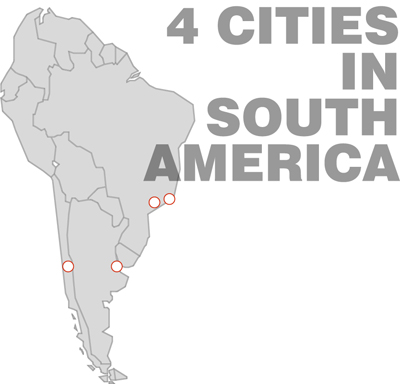
After sneaking off to South America over the holidays we’re back in the saddle here at the BUILDblog. Our travels were brief and the cities we visited are immense, so we figured we’d post quick impressions of each along with a few images, rather than comprehensive modern lists like we’ve done for other cities. To bring the discussion back around to the northwest, we think there are elements from each South American city that Seattle can learn from.

Buenos Aires, Argentina
Population: City = 3 Million, Metro = 13 Million
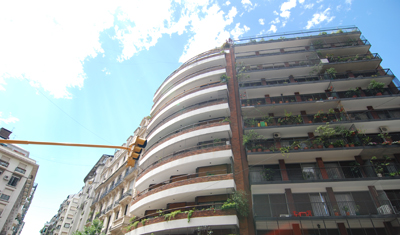
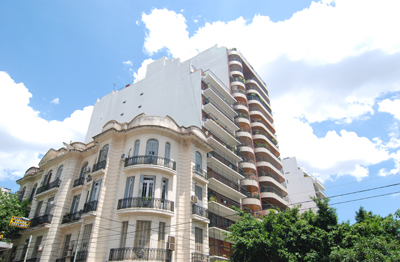
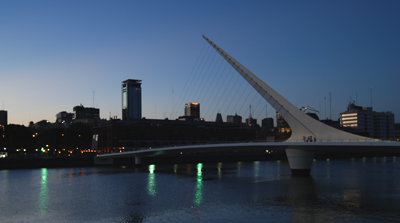
Apparently, it is every citizen’s God-given right to have a terrace in the city of Buenos Aires. And cheers to that – flourishing vegetation drapes from the buildings over tree lined avenues and creates a lush urbanism. Buenos Aires is bold with new architecture situated directly alongside the traditional. Overall it creates an environment that is both authentic and fascinating.
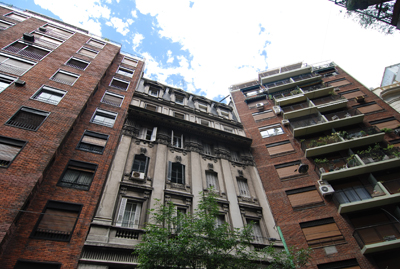

A few recommendations:
The Recoleta and Palermo neighborhoods
MALBA museum

Recoleta Cemetery

Puente de la Mujer Bridge by Santiago Calatrava
Banco Hipotecario Nacional

Biblioteca Nacional

A good source for apartment rentals is apartmentsba , we recommend the SAN1 apartment at Defensa 1035 unit 5

[photos by BUILD LLC)
Santiago, Chile
Population: City = 5 Million, Metro = 7 Million
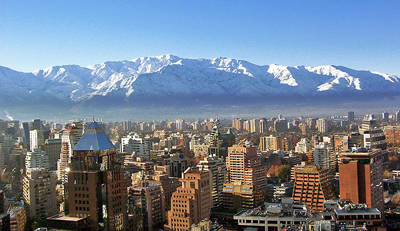
Santiago is a good town to be a tourist in for a bit. The funicular and gondola, which take you up and back down Cerro San Cristobal hill, are a great way to get the lay of the land and also see the spectacular backdrop of the Andes mountain range behind the city.
[photo by Trip Advisor)
A few recommendations:
Avenue Nueva Costanera has it all, modern shops, furniture showrooms and incredible restaurants like La Mar and Sole


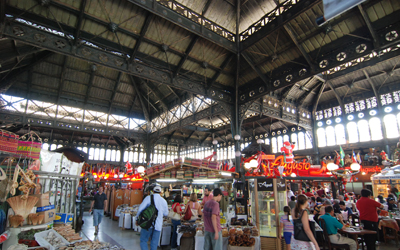
The food market in the historical downtown
Amoria restaurant at the base of the funicular
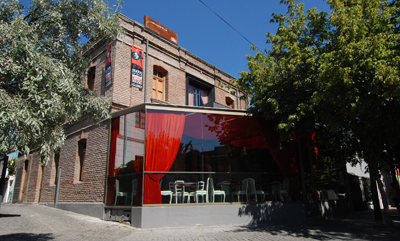
Some modern work downtown
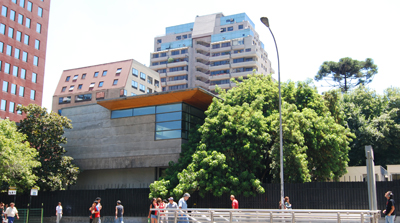
A modern addition to a traditional school near the base of the gondola
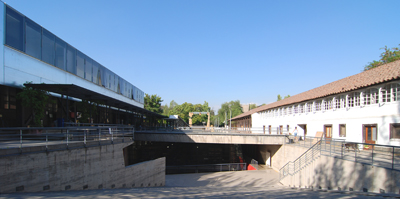

[photos by BUILD LLC)
Sao Paulo, Brazil
Population: City = 11 Million, Metro = 22 Million
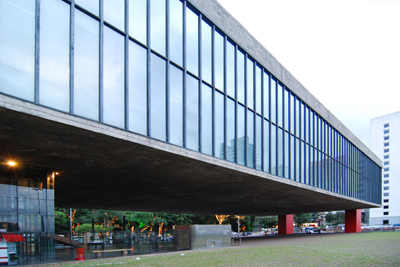
Our theory is that at some point in the 80’s or 90’s they were giving concrete away for free in Sao Paulo. The massive amount of concrete in the city is staggering, as are the ambitious forms and bold geometries. Even as modernists, Sao Paulo struck us as brutally modern. Walking the city is fascinating but it can also be grim and dismal, we recommend selecting key destinations and cabbing it or taking the subway between. While the individual pieces of architecture are worth seeing, the landscape and space in between seems neglected and left to chance.


A few recommendations:
Hotel Unique and its restaurant + bar provides spectacular view of the city

Museu de Arte de Sao Paulo
Praca do Patriarca

Avenida Paulista


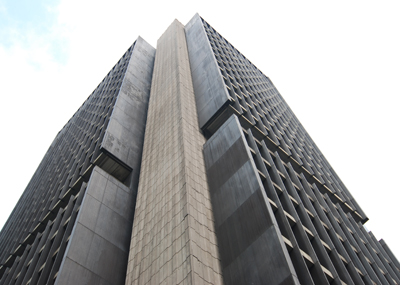
[photos by BUILD LLC)
Also check out Pinacoteca do Estado Gallery and Spot restaurant for dinner
Rio de Janeiro, Brazil
Population: City = 7 Million, Metro = 14 Million
Rio is the perfect balance between urbanism and natural beauty. The neighborhoods are big enough and dense enough to keep the design-minded fulfilled in exploration. At the end of the day the pristine beaches are just a walk away, all with stunning mountain backdrops. Gathering at the shore is a religious experience in Brazil and the beach seems to be the common denominator of culture. It’s free, everyone is welcome and everyone strips down to as little as possible regardless of what they look like.
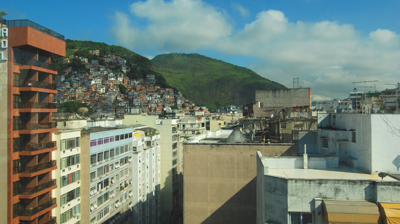
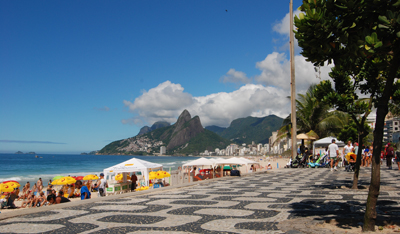
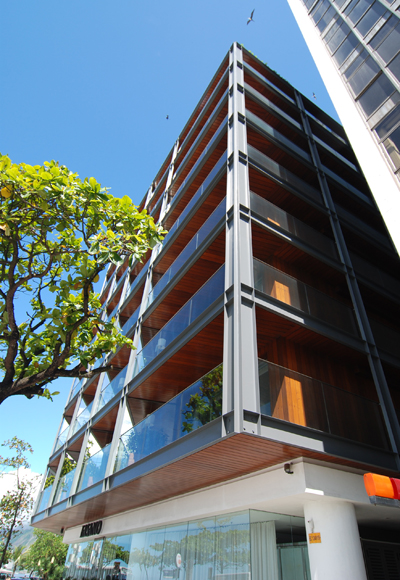
We didn’t take many photos in Rio because we were too busy doing nothing at the beach, but here are a few recommendations: Portinari Design Hotel, Fasano Hotel, Santa Teresa Hotel, Second World War Memorial, Palacio Gustavo Capanema, Museu de Arte Moderna, Forneria Rio restaurant, Frederico + Alessandro restaurant, Bar Luiz Beach Kiosk on Copacabana beach, Zaza restaurant, Londa bar at the Fasano Hotel
Fasano Hotel and Londa bar
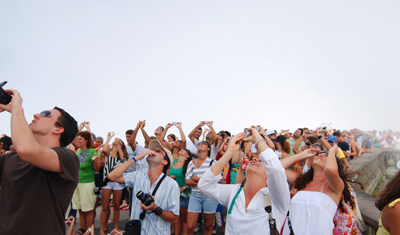
Travelers waiting for the clouds to clear around Christo Redentor
[photos by BUILD LLC)
So to bring the discussion back home, here are 4 key elements from these South American cities that we think Seattle could use a little more of:
1. Mix the old with the new. Take good care of the older architecture and build new architecture using current materials and methods. A city like Buenos Aires has retained its authenticity by doing so; at the same the layering of the different architectural styles is pleasant and interesting.
2. If you’re going to build tourist transportation, do it well. Santiago has a train with a cool name that goes straight up the side of a mountain and a gondola that takes you to terrifying heights. Both means of transportation take you somewhere that you want to be and offer views of the city and mountains along the way. Seattle has a waterfront streetcar (ding ding) and a 47 year old monorail. Neither take you anywhere you couldn’t get by walking in the same amount of time you’ll spend waiting in line.
3. While we have our criticisms with Sao Paulo we like that they push the envelope of materials and design. Concrete is great stuff and has potential to do amazing things. Seattle could use a bit of that ambitious, bold design intention.
4. Seattle needs a place to do nothing. We’re so geared to multi-task all the time that most of us Seattleites would probably bring a laptop to the beach. Like the Brazilians, we need to establish a place in the city and a ritual of relaxing. The Olympic Sculpture Park is on the right course if we can just keep the Master of Fine Arts students from blathering on about the theory of three dimensional form.
Cheers and let us know your thoughts…